Have you ever tried to walk through your standard Tuesday without touching a single microchip or benefiting from applied physics? Your morning alarm pulls data from a satellite orbiting the earth, your coffee maker uses thermodynamic pressure, and your commute relies on GPS telemetry. We rarely stop to appreciate the machinery humming behind our routines. Understanding how technology and science impact daily life is for everyone. It helps us recognize the invisible currents that shape our habits, budgets, and energy levels.
Morning Routines Powered by Applied Science
The moment your eyes open, physics and engineering are already hard at work managing your environment. Modern insulation keeps your bedroom at a stable temperature, while LEDs use quantum mechanics to illuminate your hallway efficiently. These are the direct results of decades of research making our homes safer and cheaper to run.
From Sleep Trackers to Smart Kettles
Consider the wearable on your wrist that buzzed you awake during your lightest sleep phase. It uses photoplethysmography—shining light through your skin to measure blood flow changes—to gauge your rest. Down in the kitchen, your smart kettle calculates the exact boiling point of water based on local barometric pressure. These tools remove guesswork from our mornings, saving us precious mental bandwidth before the workday even begins.
The Common Mistake of Over-Automation
Try to avoid the mistake of automating every single minute of your morning. Linking your lights, coffee, blinds, and music to a single fragile script often creates more friction when the Wi-Fi drops. Technology should remove stress, not introduce new troubleshooting chores at seven in the morning. Keep your core analog backups ready, so a minor network glitch never ruins your first cup of coffee.
Navigating the Workplace and Modern Productivity
Once you sit down to work, the intersection of research and hardware dictates how you earn your living. Cloud computing allows teams to collaborate across continents in real time. Meanwhile, behavioral psychology helps software designers build interfaces that keep us focused—or distract us with endless notifications.
Algorithms Behind the Desk
Your calendar app uses complex sorting algorithms to resolve scheduling conflicts across multiple time zones instantly. Email filters employ machine learning to separate urgent client messages from promotional spam before you even look at your inbox. These digital systems act as invisible administrative assistants, filtering out the noise of modern work.
Do You Like This Article?
Here are a few more posts you may enjoy.



How Information Flow Shapes Our Decisions
The constant stream of data we consume changes how we make choices, from what we buy for lunch to how we vote. High-speed fiber optics and cellular towers move information across the globe in milliseconds. This velocity means we react to world events almost as they happen, shifting our collective moods and market trends instantly.
Your Daily Information Diet
We rarely question the recommendation engines that feed us news articles, videos, and social media posts. These systems analyze your past clicks to serve content designed to hold your attention. Recognizing this loop helps you reclaim your mental autonomy from automated curation.
Actionable Step: The Digital Hygiene Checklist
To take control of your digital intake, run through this quick weekly checklist:
- Turn off non-human push notifications on your phone to reclaim your focus.
- Audit your app permissions to ensure no background program tracks your location unnecessarily.
- Clear your browser cache and cookies to reset targeted ad loops.
- Designate one hour every evening as an absolute screen-free wind-down window.
Evening Unwind and Domestic Comfort
When the workday ends, scientific breakthroughs continue to safeguard your downtime. Modern streaming platforms use advanced video compression algorithms to deliver high-definition movies over standard home routers. Medical research informs the ergonomic design of your living room sofa, ensuring your spine stays supported while you relax.
Climate Control and Energy Conservation
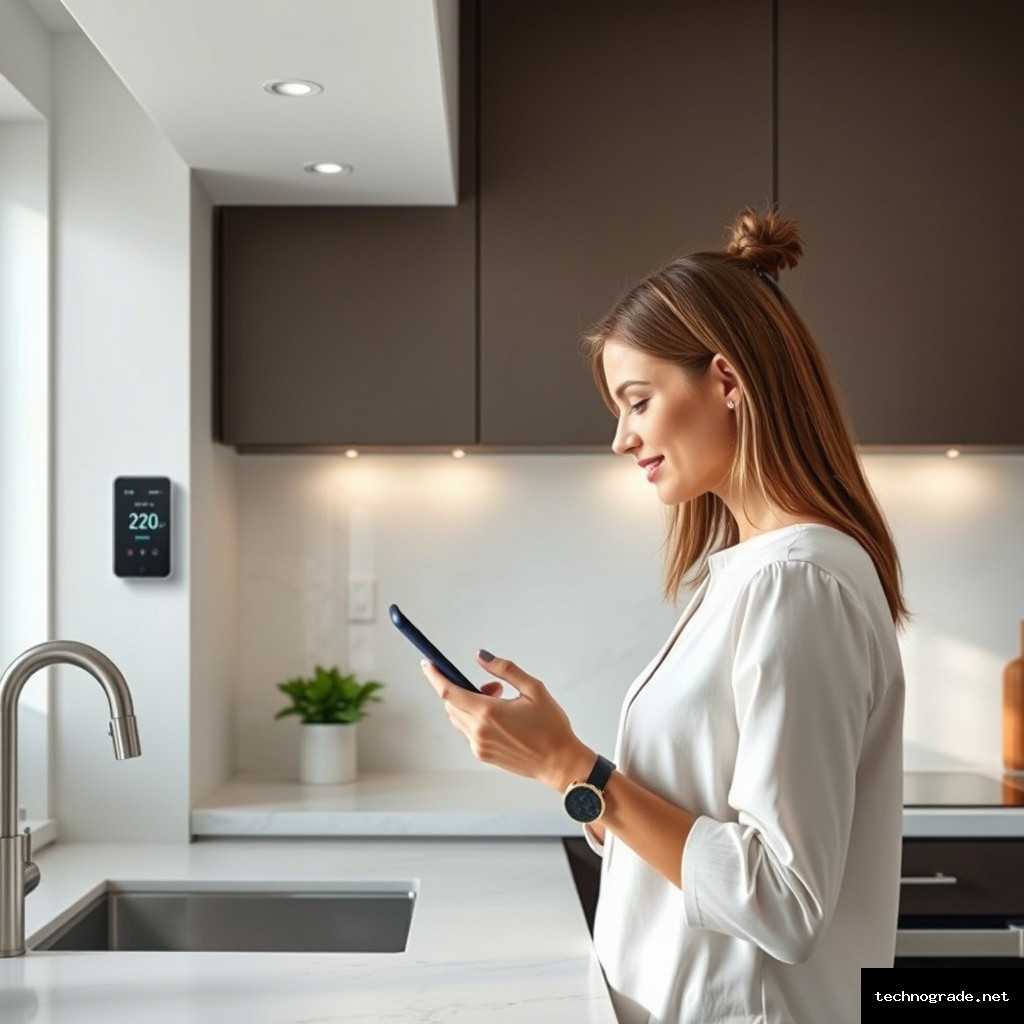
Smart thermostats learn your household routine over a few days. They adjust heating and cooling cycles, so your home reaches the ideal temperature right as you walk through the door. This engineering marvel cuts down utility bills while keeping your living space comfortable without manual adjustments.
Conclusion
We do not need to master computer science or quantum physics to appreciate the world around us. By paying attention to the tools we use, we can harness their benefits without letting them dictate our moods. Start by auditing just one digital habit this week, and watch how much lighter your daily routine feels.