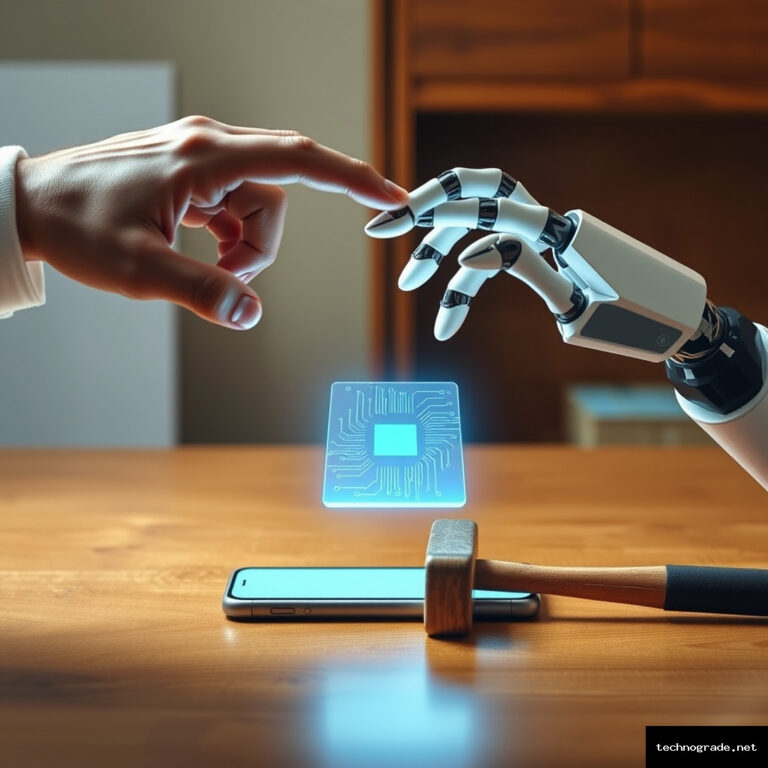
You have probably stared at a blank document for an hour, only to watch a smart software tool generate three paragraphs in seconds. It feels a bit like magic, or maybe a threat to your job security. We often pit human technology against synthetic algorithms as if they are gladiators in an arena. But comparing artificial intelligence and human technology is not about finding a single winner. It is about understanding how these two distinct approaches to problem-solving actually work together in our daily lives.
The Roots of Innovation: How We Build Things
The Slow Burn of Mechanical Progress
Human technology is built on centuries of trial, error, and physical engineering. Think about the humble bicycle or the internal combustion engine. These inventions required physical materials, sweat, and decades of iterative redesign. They are tangible solutions to concrete physical limitations.
When engineers built the first bridges, they tested load limits by physically loading them with weight. Every failure left a pile of twisted metal or splintered wood. This physical feedback loop shaped how we approach mechanical and digital toolmaking today. We respect physical constraints because we bleed when we break them.
The Rapid Rise of Machine Intelligence
Machine learning operates in an entirely different dimension. Instead of building physical levers and gears, software engineers write code that allows systems to recognize patterns in massive datasets. This synthetic approach bypasses the slow burn of physical prototyping.
Consider how a diagnostic medical tool scans thousands of lung x-rays in minutes. It does not possess eyes or clinical intuition. It simply computes statistical probabilities based on historical data. This velocity allows developers to deploy software updates globally overnight, a feat impossible with physical machinery.
Where Silicon Outperforms Carbon
Speed and Scale in Data Processing
When evaluating artificial intelligence and human technology, scale is where algorithms truly shine. Humans get tired, bored, and overwhelmed by repetitive data entry. A machine happily crunches millions of data points at three in the morning without asking for a coffee break.
For example, logistics companies use smart routing software to adjust delivery trucks in real-time based on sudden traffic accidents. No human dispatcher could calculate alternative routes for a fleet of thousands simultaneously. The software handles the sheer volume of variables instantly.
A Common Mistake to Avoid
Many people treat smart software as an all-knowing oracle rather than a probability engine. They assume that if a computer generates an answer, it must be factual. This leads to embarrassing errors, such as relying on a chatbot that completely invents historical facts with total confidence.
Always verify critical outputs from machine learning systems. Treat them like an eager, lightning-fast intern who occasionally hallucinates details. Oversight remains a strictly human job.
The Unmatched Strengths of Human Ingenuity
Context, Empathy, and Common Sense
Machines are brilliant at math, but they completely lack common sense. If you ask a code-based assistant to clear your schedule for a family emergency, it can block the time. However, it cannot comprehend the emotional weight of that emergency or offer a supportive tone.
Human technology includes psychological tools like mediation, storytelling, and cultural traditions. These inventions help us navigate grief, joy, and complex social hierarchies. A neural network cannot hold your hand through a crisis or negotiate peace between opposing groups with genuine empathy.
Handling Novel, Unprecedented Situations
Algorithms thrive on historical data. If an event has happened before, a neural network can learn from it. But when a completely unprecedented crisis hits, algorithms often fail because they lack training data for the unknown.
Humans excel at improvisation. When the Apollo 13 crew faced a failing carbon dioxide filter, engineers on the ground had to build a makeshift adapter using only random items available on the spacecraft. That is pure biological ingenuity adapting to a lethal, unique scenario.
Actionable Steps for Leveraging Both Worlds
Your Integration Checklist
You do not need to choose a side in this technological evolution. Instead, build a workflow that combines the best of both realms. Use this simple checklist to determine which tool to use for your next big project:
- Automate the repetitive: Offload data sorting, spelling checks, and routine scheduling to software tools.
- Keep the empathy local: Reserve customer conflict resolution, emotional support, and leadership for actual people.
- Audit for bias: Check algorithmic recommendations for blind spots before implementing them in sensitive areas like hiring.
- Value human intuition: If a data-driven report tells you to do one thing, but your gut screams the opposite, pause and investigate further.
Moving Past the Rivalry
The conversation around artificial intelligence and human technology often devolves into unnecessary panic. We worry about obsolescence when we should focus on collaboration. Machines provide the muscle of raw computation, while humans provide the compass of purpose and ethics.
By pairing the relentless speed of algorithms with the profound wisdom of human experience, we build a more resilient future. Stop viewing new software as a replacement for your mind. View it as the most powerful calculator you have ever been handed, waiting for you to decide what problem to solve next.