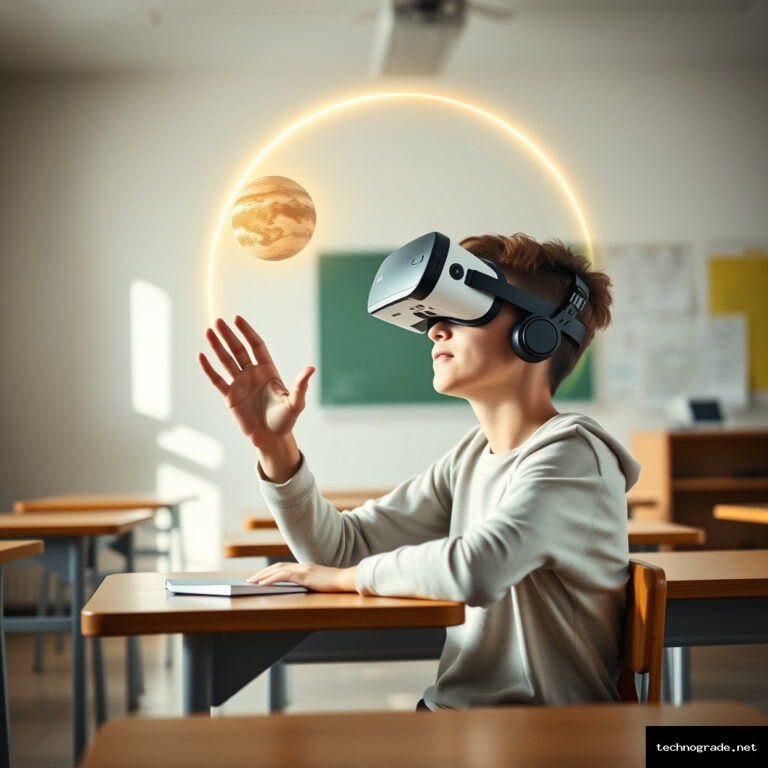
Remember lugging a heavy backpack filled with paper textbooks, loose-leaf binders, and a multicolored pencil case? Today, that scene feels almost archaic as classrooms shift toward screens, collaborative clouds, and digital tools. The way we learn has fundamentally shifted, and we are no longer bound by the physical walls of a traditional schoolhouse. Let us look closely at how technology is changing modern education, transforming everything from daily homework routines to lifelong career training.
The Evolution of the Modern Classroom
Chalkboards have largely vanished. Interactive smart boards now beam diagrams, videos, and live web pages directly to students. This shift is not just about looking futuristic. It fundamentally changes how teachers present complex ideas.
Moving Beyond the Textbook
Static pages in printed books can quickly become outdated. Digital learning management systems allow educators to update curricula in real-time. Students now access primary sources, breaking news articles, and interactive simulations with a single click. A history lesson on ancient Rome no longer relies solely on a flat map. Instead, students can take a virtual reality tour through a 3D reconstruction of the Colosseum.
Collaboration Without Borders
Group projects used to mean awkward phone calls and meeting at the public library after school. Cloud-based document sharing lets multiple students edit the same essay or presentation simultaneously, even if they live in different time zones. Teachers can leave margin notes on student drafts instantly, speeding up the feedback loop. This real-time collaboration mirrors the modern remote workplace, preparing students for future careers.
Personalized Learning Paths
Every student grasps new concepts at a different speed. Traditional classrooms forced everyone to move at the exact same pace, leaving some bored and others behind. Modern software adapts to the individual learner, creating customized pathways.
Adaptive Software in Action
Imagine a math program that notices a student struggling with fractions. Instead of moving forward, the software automatically provides extra practice problems and explanatory videos specifically targeting fractions. Once the student masters the concept, the program ramps the difficulty back up. This tailored approach ensures that no child slips through the cracks simply because the class schedule moves too fast.
A Concrete Example of Adaptive Learning
Consider language-learning apps like Duolingo used in high school classrooms. If a student consistently misses vocabulary related to food, the app schedules more frequent reviews of those specific words. It ignores the words the student already knows well. This targeted repetition makes study time vastly more efficient than reading a static vocabulary list from start to finish.
Accessibility and Inclusivity
Education should be available to everyone, regardless of physical location or ability. Digital tools break down long-standing barriers that once kept eager learners from accessing quality instruction.
Reaching Rural and Nontraditional Students
Online courses mean a teenager living in a remote rural town can take advanced calculus or computer programming classes that their local school cannot afford to staff. Adult learners working full-time jobs can earn degrees at night without quitting their day jobs. Education is no longer a place you must go; it is a resource you can access wherever you have an internet connection.
Built-In Tools for Different Abilities
Accessibility features built into modern devices help students with diverse needs thrive. Screen readers assist visually impaired learners, while live captioning helps students with hearing difficulties follow along during a video lecture. Voice-to-text software allows students with motor skill challenges to write essays by speaking clearly into a microphone. These tools normalize accommodations, making learning environments far more inclusive.
Common Pitfalls and How to Avoid Them
Technology offers incredible benefits, but it also introduces new distractions. Simply handing a tablet to a student does not automatically guarantee better learning outcomes.
The Common Mistake: Tech for Tech’s Sake
One major pitfall is adopting flashy new gadgets just to look modern. A teacher might spend weeks designing a complex virtual reality lesson for a topic that would be better taught with a simple physical model or a classroom discussion. Always let the learning objective drive the tool choice, not the other way around.
Avoiding Digital Fatigue
Staring at screens all day can drain mental energy and harm eyesight. Educators and parents must balance digital tasks with tactile, offline activities. Building physical models, writing notes by hand, and engaging in face-to-face debates keep students grounded and prevent burnout.
Your Actionable Tech Integration Checklist
Whether you are a teacher, a parent, or a lifelong learner, navigating digital tools can feel overwhelming. Use this practical checklist to ensure technology actually helps rather than hinders your educational goals:
Checklist for Smart Tech Use
1. Define the goal first: Ask yourself what specific problem the technology solves before introducing a new app or device.
2. Test for accessibility: Ensure all participants can easily use the tool without needing expensive, high-end hardware.
3. Limit the choices: Stick to two or three core platforms rather than confusing learners with a dozen different apps.
4. Schedule screen-free breaks: Plan regular offline intervals to rest eyes and encourage hands-on interaction.
5. Gather user feedback: Ask students or peers if the digital tool genuinely improved their understanding of the material.
Looking Ahead at the Future of Learning
The classroom will continue to evolve as new innovations emerge from the tech sector. We will likely see deeper integration of artificial intelligence acting as a personal teaching assistant, helping grade papers and suggest personalized reading lists. Yet, the core mission of education remains unchanged. Technology is simply a vehicle meant to spark curiosity, foster critical thinking, and connect you more deeply to the world around you.